
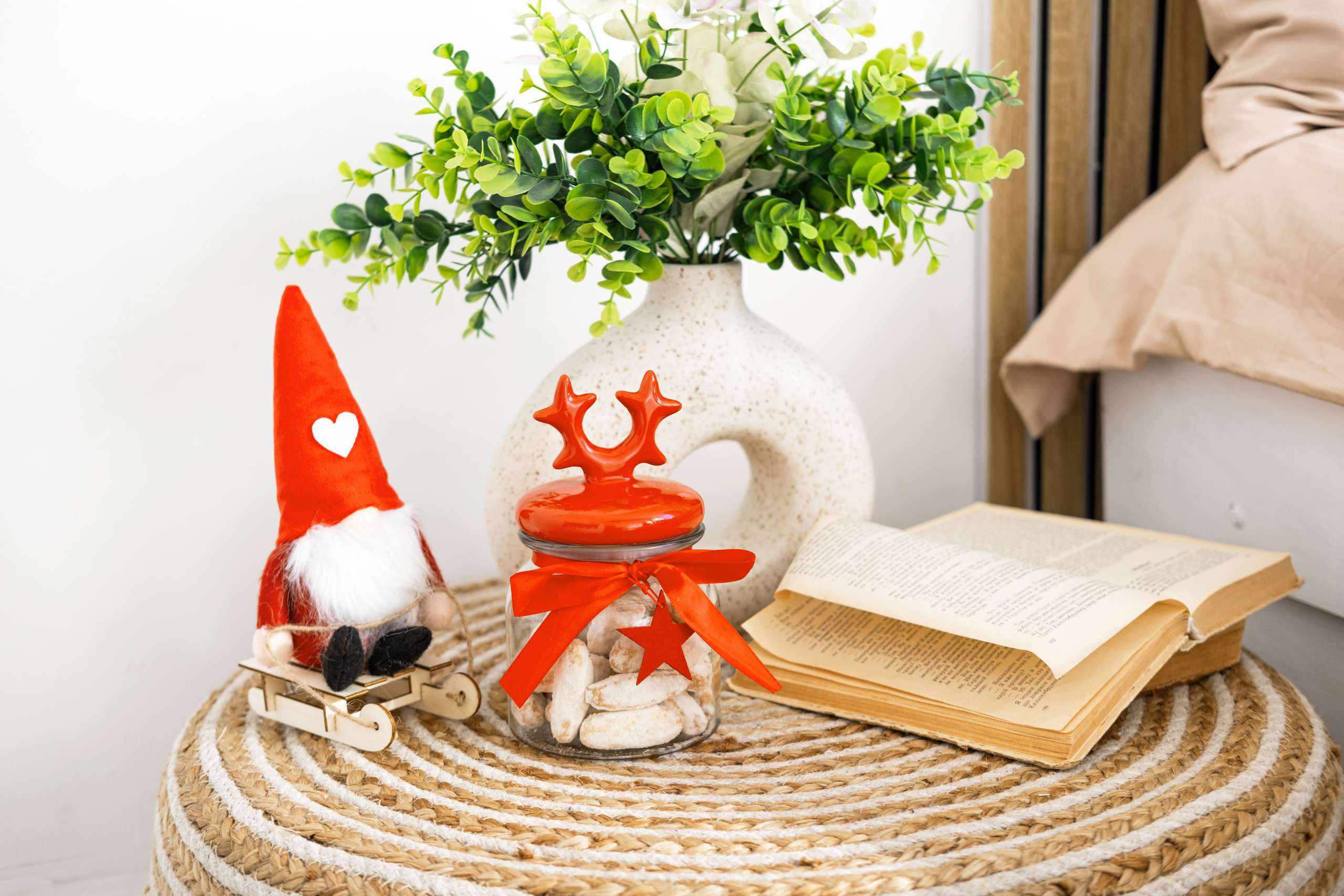
Imagine holding a bottle that began as nothing more than a vessel for olive oil. Now, it pulses with life: a base of midnight blue fading into sapphire, then a veil of silver mist, and finally delicate veins of pearl that catch the light like frost on a window. This is not accident or luck. This is rhythm—the deliberate dance of layers that turns glass from transparent to transcendent.
Most crafts build outward or upward, stacking elements like bricks. Glass decoration builds inward, each layer whispering to the one before it. The secret is not in the paint or the brush; it is in the pauses, the drying times, the moments when you step back and let the piece breathe.
Finding the beat in every layer
The Foundation: Grounding with depth Start deep and dark if you want drama, or pale and ethereal for subtlety. This first coat sets the mood—think of it as the bass line in a song, steady and unseen but felt in every note that follows. Pour, swirl, let it cure overnight. Rushing here means the whole piece will wobble.
The Middle: Building harmony Here is where contrast sings. Add translucent washes that blend or clash softly: a warm amber over cool gray for sunset warmth, or crisp white lines over indigo for starry nights. Use a sea sponge for texture, a fine liner for precision. Each addition should respond to the last, like instruments joining a melody.
The Surface: Catching the eye The outer layers are the flourish—the metallic leaf that gleams, the etched details that add shadow play, the final gloss that makes everything glow. Keep these light; too much weight here dulls the inner light. A single accent, like a ribbon of copper foil, can make the entire bottle hum.
The Pauses: Where magic settles Between every layer, wait. Walk away. Let the solvents evaporate, the colors bond, the light reveal what’s truly there. These quiet intervals are not empty—they are when the piece decides what it wants to be.
I remember layering a wide-mouthed jar for a friend’s wedding: deep rose at the core for love’s warmth, then sheer ivory for innocence, finished with gold flecks like scattered confetti. Alone, each layer was ordinary. Together, they captured the couple’s story in a way words never could—soft, luminous, enduring.
This rhythm is not rigid. Some pieces demand ten layers; others bloom in three. The key is listening: to the glass, to the light, to your own intuition.